
What a Home Inspector Would Tell You Before You Build a Villa in Bali
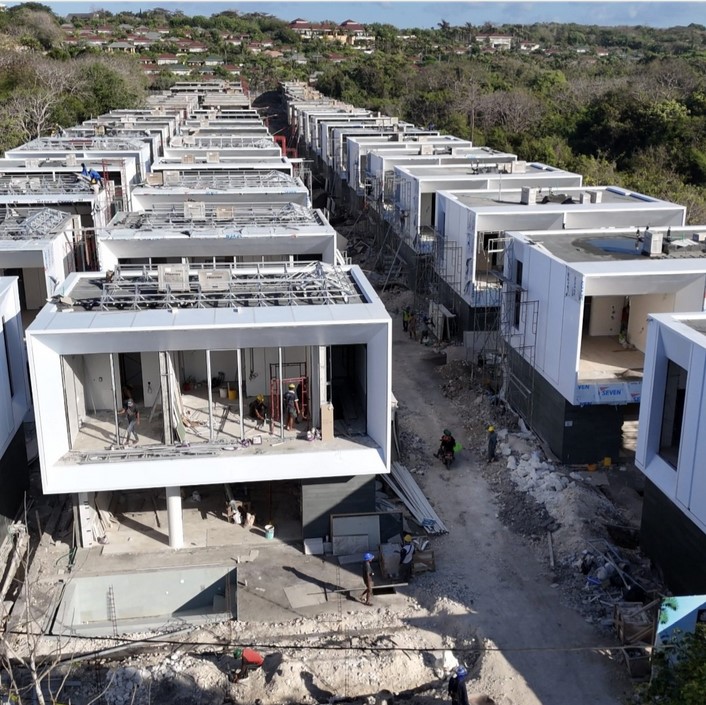
If you spend enough time inspecting homes for a living, you start to notice patterns. The houses that age gracefully almost always share the same trait: someone paid close attention to the structure before the finishes ever went in. The houses that develop expensive problems within a few years almost always share the opposite trait , corners were cut somewhere in the building envelope, and nobody caught it until the damage was already done.
That principle doesn’t change when you cross an ocean. If anything, it becomes more important. And right now, one of the most popular places in the world to build a custom home from scratch is Bali , a tropical island where the construction environment, climate stresses, and structural demands are dramatically different from what most homeowners in temperate climates are used to evaluating.
This article looks at building a villa in Bali through a structural lens: the things that matter most for long-term durability, the climate-specific risks that don’t exist back home, and what separates a villa that holds up beautifully for decades from one that starts showing cracks within a couple of rainy seasons.
Why Tropical Construction Plays by Different Structural Rules
Most home inspection standards and building codes in temperate climates are built around a few core stresses: freeze-thaw cycles, snow load, seasonal temperature swings, and moisture from rain and groundwater. Bali’s construction challenges are a completely different set of variables.
Humidity is constant, not seasonal. In temperate climates, moisture problems tend to be seasonal , a wet spring, a humid August. In Bali, relative humidity sits consistently high year-round, which means materials, fasteners, and finishes are under sustained moisture stress at all times, not just during certain months.
Monsoon rainfall intensity is extreme. Bali’s wet season, roughly November through March, delivers rainfall volumes far beyond what most temperate building systems are designed to handle. Roof drainage, guttering capacity, and site grading all need to be engineered for short, intense downpours rather than steady, moderate rain.
Seismic activity is a real structural consideration. Indonesia sits within the Pacific Ring of Fire, and Bali experiences periodic seismic activity. Structural design needs to account for this , reinforced concrete framing, proper rebar specification, and flexible connection detailing all matter considerably more here than in a low-seismic-risk region.
UV exposure degrades materials faster. Intense year-round sun exposure breaks down certain sealants, coatings, and synthetic materials significantly faster than in temperate latitudes. What might last fifteen years on a roof in a cooler climate might need attention in five or six years under Bali’s sun, unless the right materials were specified from the start.
The Structural Red Flags Worth Knowing Before You Build
A home inspector’s job, fundamentally, is pattern recognition , knowing which early warning signs predict expensive problems down the line. Several of these patterns apply directly to villa construction in Bali, and they’re worth understanding before ground is broken, not after a problem appears.
Foundation and Soil Considerations
Bali’s soil composition varies considerably across the island , from volcanic soil in the highlands to sandier coastal compositions near the beaches. A proper soil test (often referred to locally as a soil investigation or sondir test) before foundation design isn’t an optional step; it’s the single most important piece of information determining whether your foundation will perform well for decades or develop settling issues within a few years.
What to ask for: A documented soil investigation report, and a foundation design that’s specifically engineered around its findings , not a generic foundation specification applied regardless of soil type.
Roof Drainage and Water Management
Given the intensity of monsoon rainfall, roof drainage design deserves far more scrutiny than it typically receives in temperate climate construction. Undersized gutters, poorly planned roof slopes, and inadequate downspout capacity are among the most common , and most preventable , sources of long-term water damage in tropical villa construction.
What to ask for: Roof drainage calculations based on local rainfall intensity data, not a standard specification borrowed from a different climate.
Material Specification vs. Material Substitution
This is, candidly, one of the most widely reported issues in Bali’s construction industry: contractors specifying premium materials in initial proposals, then substituting lower-grade alternatives during actual construction without informing the client. It might look fine on handover day. It tends to reveal itself through cracking, leaking, or premature deterioration within the first one to three years.
What to ask for: Material brand and grade specifications written explicitly into the construction contract, with the right to verify materials on-site during key construction phases.
Concrete Curing and Reinforcement Quality
Reinforced concrete is the structural backbone of most Bali villa construction. Proper curing time, correctly specified rebar diameter and spacing, and adequate concrete cover over reinforcement steel all directly affect how the structure performs over its lifetime , particularly in a seismic-active, high-humidity environment where reinforcement corrosion is a real long-term risk if cover specifications aren’t met.
What to ask for: Structural engineering drawings (not just architectural renders) and evidence of an engineer’s sign-off on the structural elements of the build.
Why the Builder You Choose Matters More Than the Design You Choose
Here’s a pattern that holds true everywhere, but especially in international construction: the most beautiful architectural design in the world is only as good as the team executing it. A stunning render means very little if the contractor behind it cuts corners on rebar spacing, skips a soil test, or under-specifies the roof drainage system to save money on the quote.
This is where the inspection mindset becomes genuinely useful for anyone planning to build abroad. Before committing to a construction partner, it’s worth applying the same scrutiny you’d want applied to a home you were about to purchase:
- Ask for completed projects you can independently verify, not just photographed and rendered ones
- Ask specifically how they handle structural engineering , is it in-house, or outsourced and loosely supervised?
- Ask what materials they specify by brand and grade, not just generic category
- Ask about their payment structure , milestone-based payments tied to verified construction stages protect you far more than large upfront deposits
- Ask how they handle the soil investigation and foundation design process specifically
A construction partner who can answer these questions confidently and specifically , rather than vaguely , is signaling the kind of structural diligence that actually determines whether your villa performs well for the next twenty years or starts needing expensive remedial work within five.
For homeowners and investors serious about getting this right, working with an experienced Bali villa builder who treats structural engineering, soil investigation, and material specification as non-negotiable parts of the process , rather than items to economize on , makes the difference between a villa that’s a long-term asset and one that becomes a long-term liability.
The Investment Logic of Building It Right the First Time
From a purely financial standpoint, the math here is straightforward and well-established in the inspection industry generally: structural problems are dramatically more expensive to fix after construction than to prevent during it.
A foundation that wasn’t properly engineered for the soil conditions might cost a fraction more to get right initially, compared to the cost of underpinning or remedial foundation work years later. A roof drainage system designed for actual monsoon intensity costs marginally more upfront than an undersized system that needs replacing , along with whatever water damage it caused , within a few rainy seasons. Reinforced concrete poured correctly the first time, with proper engineering oversight, costs less than structural remediation after cracking has already appeared.
This logic applies with particular force to villas intended for rental income, where structural problems don’t just cost money to fix , they cost bookings, reviews, and reputation while the property is out of commission for repairs.
Choosing a villa construction company in Bali with a genuine structural engineering discipline, rather than simply the most attractive design portfolio, is the kind of decision that pays for itself many times over across the lifespan of the property.
Final Thoughts: Inspect Before You Invest, Even When You’re Building From Scratch
Most people associate home inspection with buying an existing property , walking through a finished house with a flashlight and a checklist, looking for what’s hidden behind the walls. But the inspection mindset is just as valuable, arguably more valuable, when you’re building from the ground up. The advantage of building new is that you have the opportunity to get the structural fundamentals right before anything is hidden behind a wall at all.
If a villa in Bali is somewhere in your future plans , whether as a personal retreat, a long-term home, or an income-generating investment , the most important decision you’ll make isn’t the layout of the kitchen or the color of the infinity pool tiles. It’s the structural integrity baked into the building before any of that becomes visible.
Build it right, and it becomes the kind of home that performs beautifully for decades. Build it carelessly, and even the best-looking villa becomes an inspector’s case study in what to watch for next time.
This article is part of an ongoing series examining building structure, construction quality, and the inspection principles that apply to homes built anywhere in the world.