


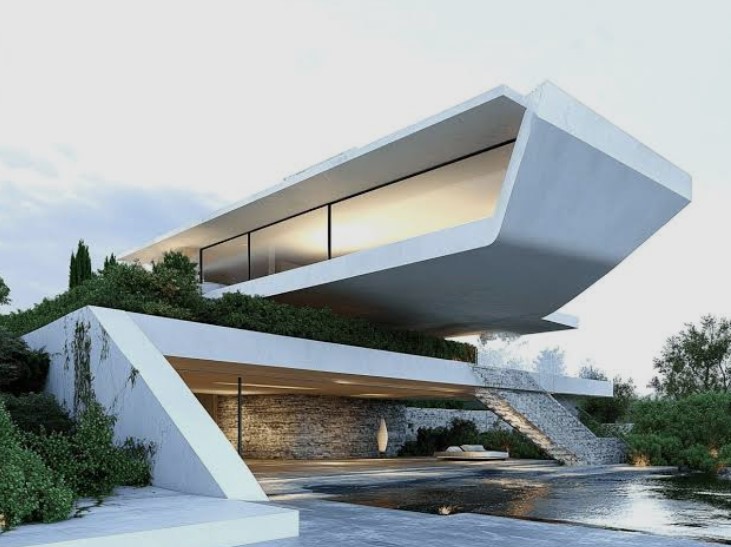
As of 2026, minimalist roof design is no longer just a visual preference—it has become a strategic approach that combines aesthetics, efficiency, and sustainability. In modern architecture, roofs are no longer passive elements; they actively contribute to energy performance, durability, and overall building identity.
After reviewing recent projects and material trends, one thing is clear: combining clean roof geometry with advanced materials like creates a strong foundation for both residential and commercial buildings. If you’re planning a new build or renovation, this guide will help you understand how minimalist roofing fits into broader sustainable building design principles.
The Rise of Minimalist Roof Design in Modern Architecture
The popularity of reflects a broader shift toward simplicity and efficiency in architecture.
Minimalist roofs typically feature:
- Clean lines and simple geometry
- Reduced structural complexity
- Efficient water drainage systems
- Integration with modern facades
From a design perspective, this approach removes unnecessary elements and focuses on performance. From a practical standpoint, it reduces maintenance and construction costs.
In my experience reviewing modern builds, minimalist roofing works particularly well in tropical and urban environments where simplicity and durability matter most.
Why Minimalist Roofing Supports Sustainable Building Design
Minimalist roofing aligns naturally with sustainable building design.
Here’s why:
- Fewer materials are required, reducing resource consumption
- Simplified structures improve construction efficiency
- Better integration with insulation systems
- Easier installation of solar panels
When paired with sustainable roof materials, minimalist designs can significantly improve energy efficiency.
Materials like are engineered to reflect heat and withstand harsh weather, which directly supports sustainability goals.
The Role of Sustainable Roof Materials
Choosing the right materials is critical for long-term performance.
Modern sustainable roof materials should offer:
- High durability
- Resistance to corrosion and weather
- Thermal efficiency
- Low maintenance requirements
is widely used because it meets these criteria while maintaining a sleek, modern appearance.
In practical terms, this means fewer repairs, longer lifespan, and better environmental performance over time.
Minimalist Roof Design in Residential Projects
In sustainable house designs, the roof plays a major role in both comfort and efficiency.
A well-executed can:
- Improve natural ventilation
- Reduce indoor heat gain
- Enhance overall aesthetic appeal
- Simplify maintenance
I’ve seen residential projects where a simple roof redesign reduced cooling costs noticeably, especially in warm climates.
This is where design and performance intersect in a meaningful way.
Applications in Sustainable Hotel Design
Hospitality projects are increasingly adopting sustainable hotel design principles, and roofing is a key component.
Minimalist roofs in hotels offer:
- Clean, modern visual identity
- Lower long-term maintenance costs
- Compatibility with energy-efficient systems
- Improved guest comfort through better thermal control
Using materials like allows hotels to maintain a premium look while meeting sustainability targets.
From a business perspective, this also supports operational efficiency.
Sustainable Industrial Design and Roofing Efficiency
In sustainable industrial design, roofs are critical for performance and cost management.
Industrial buildings benefit from minimalist roofing because it provides:
- Large-span coverage with fewer structural elements
- Efficient water management systems
- Reduced installation time
- Compatibility with solar energy systems
A sustainable roof design approach ensures that industrial facilities remain efficient over long operational periods.
This is especially important for warehouses, factories, and logistics centers.
Integrating Sustainable Roofing into Urban Architecture
Urban environments present unique challenges, including limited space and high energy demand.
Sustainable roofing solutions help address these challenges by:
- Reducing heat island effects
- Supporting green building certifications
- Improving building energy performance
- Enhancing visual consistency in dense areas
Minimalist approaches work well in cities because they maximize efficiency without adding visual clutter.
Again, materials like make it easier to achieve both functional and aesthetic goals.
Key Trends in Minimalist and Sustainable Roof Design (2026)
Based on current developments, several trends are shaping the future:
1. Integration with renewable energy
Roofs are increasingly designed to support solar panels and energy systems.
2. Focus on thermal performance
Heat-reflective materials are becoming standard in sustainable roof design.
3. Simplified construction methods
Minimalist designs reduce complexity and improve scalability.
4. Multi-functional roofing systems
Roofs are being used for insulation, energy generation, and even water management.
These trends indicate that roofing is no longer just a structural necessity—it’s a strategic asset.
Conclusion: Choosing the Right Approach
Minimalist roofing is more than a design trend—it’s a practical response to modern architectural challenges.
If you’re planning a project, consider the following:
- Use for simplicity and efficiency
- Prioritize sustainable roof materials for long-term performance
- Align your choices with broader sustainable building design goals
- Select reliable materials like for durability and consistency
From residential homes to industrial facilities, the right roofing approach can significantly impact both cost and performance.
In my view, the combination of minimalist design and sustainable materials is one of the most practical decisions architects and builders can make today.
FAQ
What is minimalist roof design?
It is a roofing approach that emphasizes simple forms, clean lines, and efficient structures.
Why is minimalist roofing considered sustainable?
It reduces material use, improves efficiency, and supports energy-saving systems.
What are sustainable roof materials?
They are materials designed for durability, energy efficiency, and low environmental impact.
Can minimalist roofs be used in industrial buildings?
Yes, they are widely used due to their efficiency and scalability.
Is Colorbond suitable for sustainable roofing?
Yes, it offers durability, thermal performance, and low maintenance, making it a strong option for modern projects.