


Lighting plays a crucial role in both the functionality and aesthetics of a property. Whether you are upgrading your home or designing a new space, understanding the differences between indoor and outdoor lighting can help you make informed decisions. Each type serves unique purposes, and choosing the right solution ensures safety, efficiency, and visual appeal.
Indoor Lighting: Creating Ambiance and Functionality
Indoor lighting serves multiple purposes, from illuminating rooms for daily tasks to enhancing mood and décor. Proper lighting can improve productivity, highlight architectural features, and create a welcoming atmosphere. Options include recessed lighting, pendant lights, chandeliers, and LED fixtures. Layering ambient, task, and accent lighting allows homeowners to control brightness and focus, providing flexibility for different activities.
Outdoor Lighting: Safety and Curb Appeal
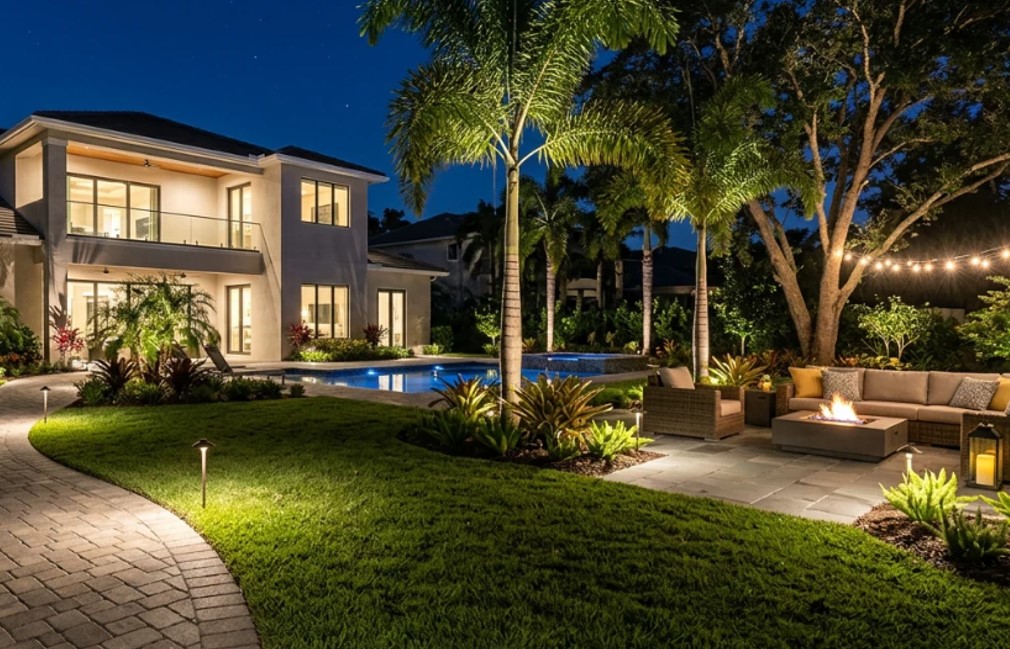
Outdoor lighting is essential for safety, security, and visual appeal. Well-placed lights illuminate pathways, driveways, and entryways, reducing the risk of accidents. Security lighting, such as motion-activated floodlights, helps deter intruders. Landscape lighting enhances landscaping features, accentuates architectural details, and improves the property’s overall curb appeal, creating a welcoming environment for guests.
Energy Efficiency and Technology
Both indoor and outdoor lighting have energy-efficient options. LED lights consume less electricity, last longer, and generate less heat compared to traditional bulbs. Smart lighting systems allow homeowners to schedule, dim, or remotely control lights, optimizing energy use. Outdoor solar-powered lights are another eco-friendly option, reducing reliance on electrical wiring while providing reliable illumination.
Installation Considerations
Indoor lighting installation often requires attention to wiring, fixture placement, and ceiling height. Proper installation ensures even light distribution and prevents glare. Outdoor lighting installation involves weather-resistant fixtures, waterproof connections, and adequate protection from the elements. Planning the layout, voltage requirements, and fixture positioning is key to both safety and functionality.
Choosing the Right Solution
The choice between indoor and outdoor lighting or a combination of both depends on your property’s needs. Indoor lighting focuses on comfort, style, and task efficiency, while outdoor lighting emphasizes safety, security, and aesthetics. Assessing your property’s layout, purpose of each space, and energy goals will guide you in selecting the most suitable lighting solutions.
Final Thoughts
Effective lighting enhances both the look and functionality of a property. By understanding the differences between indoor and outdoor lighting, homeowners can make smart installation choices that improve safety, energy efficiency, and overall appeal. A well-planned lighting system ensures that your property is both beautiful and functional, day or night.
This post was written by a professional at DeCort Electrical Solutions, Inc. We are a family-owned and operated residential and commercial electrical contractor proudly serving our local community. Our licensed electricians handle everything from electrical repairs and upgrades to new construction and commercial projects. We are a Certified Generac Dealer and Partner, specializing in whole-home and commercial generator installation, maintenance, and repair to keep your power on when it matters most. Known for honest pricing, quality workmanship, and dependable service, we’re committed to safety, reliability, and long-term solutions. Whether you need electrical troubleshooting, panel upgrades, or backup power systems, you can trust our experienced team to get the job done right.